Skin Science · 8 min read
The Role of Vitamin E in Menopausal Skin Care
Why vitamin E is one of the most valuable ingredients for mature and menopausal skin, what it does for the barrier, and how it works naturally in plant oils.
Three things to know
A Quiet Standard in Skincare.
What Vitamin E Actually Is.
How Vitamin E Works in the Skin.
Vitamin E is one of those ingredients that rarely arrives with fanfare. It does not appear on the cover of beauty magazines. It is not the trend of the season. It has simply been doing meaningful work in good skincare formulations for the better part of a century, quietly enough that many women have used it without ever realizing how much it has been contributing to how their skin looks and feels.
For mature and menopausal skin in particular, vitamin E is one of the most worthwhile ingredients a formula can include. The evidence behind it is substantial, the biology is well understood, and its compatibility with the kind of skincare that menopausal skin actually responds to is remarkably high.
What follows is a calm look at what vitamin E is, what it does, and why it matters more than it gets credit for.
A Quiet Standard in Skincare
Vitamin E has been part of clinical and cosmetic skincare since the mid-twentieth century. It has held its place not through marketing momentum but through evidence. Decades of research have established its antioxidant action, its role in skin barrier protection, and its supportive effects on wound healing and inflammation.
Few skincare ingredients have such a deep and consistent record. Even fewer combine that record with the natural compatibility vitamin E has with the human skin barrier.
It is not a flashy ingredient. It is a foundational one. And in a category that often confuses novelty with value, foundational ingredients are easy to underestimate.
What Vitamin E Actually Is
Vitamin E is not a single compound. It is a family of fat-soluble molecules that includes four tocopherols and four tocotrienols, each with slightly different properties. The most studied and most active form in human skin is alpha-tocopherol, though the others contribute as well.
Vitamin E is found naturally in plant foods, particularly in seeds, nuts, and the oils pressed from them. Sunflower seeds, almonds, wheat germ, argan kernels, and rosehip seeds all contain meaningful amounts. When these plants are cold-pressed for skincare, the vitamin E content comes along with the fatty acids, which is part of what gives unrefined plant oils their value.
This natural co-occurrence matters. The vitamin E in a cold-pressed oil is not a synthetic addition. It is the form the plant itself produced, paired with the lipids it evolved to protect.
How Vitamin E Works in the Skin
Vitamin E functions in several distinct ways once it reaches the skin.
It is a powerful lipid-soluble antioxidant. Most of the antioxidant molecules the body uses are water-soluble, which means they work in the watery compartments inside cells. Vitamin E is different. It dissolves in lipids, which means it works specifically in the lipid-rich parts of the skin: the cell membranes, the barrier mortar between cells, and the natural oils on the surface of the skin. These are exactly the places where mature skin is most vulnerable to oxidative damage.
It protects skin lipids from oxidation. Lipid peroxidation is one of the quieter contributors to aged-skin appearance. When the fatty acids in cell membranes and the barrier are damaged by oxidation, the skin loses suppleness, integrity, and resilience. Vitamin E intercepts the chain reactions that cause this damage, preserving the lipids the barrier needs.
It supports skin barrier function. By protecting the lipids that hold the barrier together, vitamin E indirectly supports the barrier's ability to retain water and block irritants.
It contributes to anti-inflammatory activity. Vitamin E has been shown to moderate inflammatory responses in skin tissue, which is particularly valuable in mature skin that has become more reactive with hormonal change.
It supports wound healing. Research over decades has shown that vitamin E plays a role in supporting the skin's repair processes, particularly when paired with other healing-supportive nutrients.
It softens and conditions the skin. Beyond its biochemical roles, vitamin E is also a gentle emollient. It contributes to the suppleness and smooth texture that well-formulated oils impart on the skin.
These functions are not theoretical. They are some of the most thoroughly documented effects in cosmetic dermatology.
Why This Matters for Mature and Menopausal Skin
Several things shift in mature skin that make vitamin E particularly valuable.
The body's natural antioxidant defenses gradually decline with age. The skin's own stores of antioxidants, including endogenous vitamin E, become less abundant. Meanwhile, cumulative oxidative stress from sun exposure, pollution, and normal metabolism continues to accumulate. The balance between damage and defense tips in the wrong direction.
At the same time, menopausal skin is more vulnerable to lipid peroxidation. With estrogen-supported lipid production reduced, the fatty acids that remain in the barrier are precious. Protecting them from oxidation becomes more important, not less.
Vitamin E meets both of these challenges. It replenishes the antioxidant pool the skin is short on, and it protects the lipids the barrier still has. These two effects, working together, are part of why menopausal skin responds so well to formulations rich in natural vitamin E.
Vitamin E in Cold-Pressed Plant Oils
One of the quiet pleasures of working with high-quality plant oils is the natural vitamin E that comes with them.
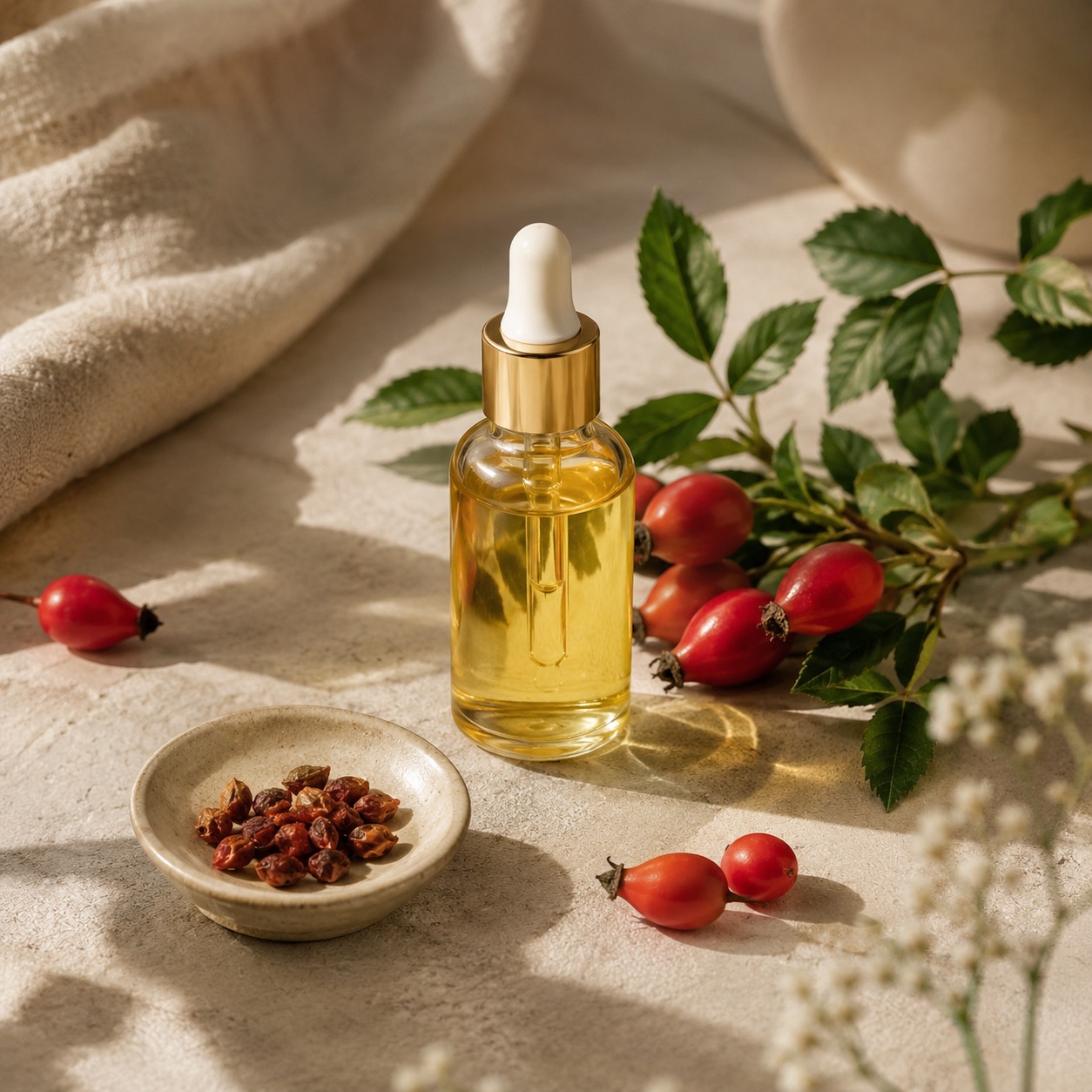
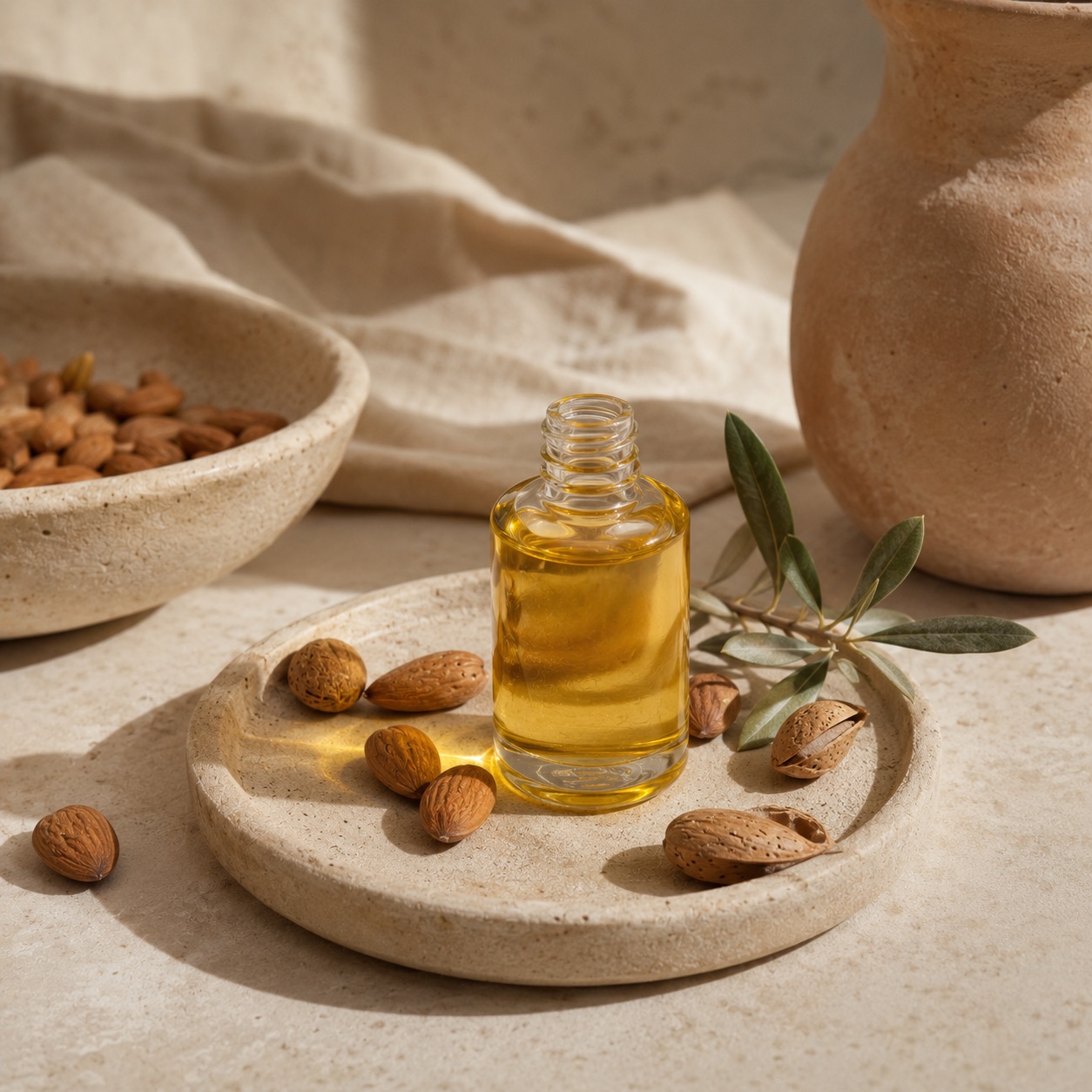
Sunflower oil is among the richest natural sources of alpha-tocopherol. Sweet almond oil contains generous amounts. Argan oil is known for its tocopherol content. Rosehip seed oil includes both tocopherols and complementary antioxidants. Raspberry seed oil contains tocopherols alongside its omega-3 content. Each of these oils, when cold-pressed and unrefined, delivers vitamin E in its natural plant form, exactly as the seed produced it.
This is meaningful for two reasons. First, the vitamin E is delivered alongside the fatty acids it is biologically suited to protect, which is the way nature designed it. Second, the vitamin E plays a stabilizing role in the formulation itself. It protects the polyunsaturated fatty acids in the blend from oxidation during storage, extending their freshness and preserving their benefit.
A well-formulated body oil rich in natural vitamin E is doing two jobs at once. It is delivering protective antioxidants to the skin, and it is keeping its own oils fresh long enough to deliver them.
The Synergy with Vitamin C
Vitamin E rarely works alone in healthy biology. Its closest collaborator is vitamin C.
When vitamin E neutralizes a free radical in a lipid environment, it becomes oxidized itself and temporarily loses its antioxidant capacity. Vitamin C, which works in water-soluble environments, can regenerate vitamin E back to its active form. This relationship allows the two vitamins to recycle each other and extend their protective work.
This is one reason skincare routines that combine vitamin C in the morning with vitamin E rich oils elsewhere tend to deliver more than either could on its own. The two ingredients are part of a network the body has been using for millions of years.
How Vitamin E Supports the Skin Barrier
The barrier, the outermost layer of skin that holds water in and irritants out, is built from lipids. Ceramides, cholesterol, and fatty acids form a structure that depends on those lipids being intact and undamaged.
Oxidized lipids do not function the same way as fresh ones. They are less effective at maintaining barrier integrity, less able to hold water, and more likely to contribute to inflammation. For mature skin, where the barrier is already thinner and the lipid supply already reduced, oxidative damage to the remaining lipids is a real concern.
Vitamin E sits within those lipids and protects them. By preserving the integrity of the barrier's building blocks, it supports the structure as a whole. This is one of the most useful things any antioxidant can do for menopausal skin specifically.
What the Research Supports
The body of research behind vitamin E is among the most extensive in cosmetic science. A few of the well-established findings:
Antioxidant protection of skin lipids. Topical vitamin E reduces lipid peroxidation in skin tissue, helping preserve the integrity of cell membranes and barrier lipids.
Photoprotective synergy. Vitamin E enhances the effectiveness of sunscreens and works alongside vitamin C to extend the skin's defense against UV-induced oxidative damage.
Wound healing support. Studies have shown vitamin E contributes to healthier-looking healing in skin recovering from small injuries, surgical wounds, and post-inflammatory marks.
Reduced inflammation. Vitamin E moderates inflammatory responses in skin tissue, which supports comfort and reduces reactivity over time.
Skin softness and conditioning. Beyond its biochemical effects, vitamin E contributes to the supple feel and smooth appearance of well-cared-for skin.
This combination of benefits, biochemical and sensory, is part of why vitamin E has remained a standard in serious skincare even as trend ingredients come and go.
The Baya Perspective
Baya was built around the idea that menopausal skin deserves formulations grounded in what the skin can actually use, prepared from ingredients chosen for biological compatibility rather than novelty.
Vitamin E is naturally present throughout the Baya blend because every one of the cold-pressed oils in the formula carries it: sunflower, sweet almond, jojoba, argan, rosehip, raspberry seed, and pumpkin seed. The vitamin E in the blend is the form the plants themselves produced, paired with the fatty acids it was designed to protect.
This is the kind of ingredient logic that good skincare quietly relies on. Not single hero molecules added in isolation, but networks of compounds working together in proportions that biology has already optimized.
The result is a formula in which vitamin E is doing its work everywhere, all the time, without ever needing to be announced.
The Bottom Line
Vitamin E is one of the most useful, well-evidenced, and quietly valuable ingredients in mature skin care.
It protects the lipids the barrier needs. It supports antioxidant defense at a time when the skin's own defenses are declining. It softens, conditions, and supports the skin's repair. It works synergistically with the other antioxidants the skin uses, and it preserves the freshness of the plant oils that deliver it.
For women navigating menopausal skin changes, vitamin E rich formulations offer something steady and dependable: protection of what the skin already has, support for what it is rebuilding, and the kind of foundational care that compounds over time.
The ingredient is not loud. It has never needed to be. The work it does is consistent, well documented, and genuinely useful.
Frequently asked questions
Vitamin E is a fat-soluble antioxidant that protects skin lipids from oxidation, supports barrier function, contributes to wound healing, moderates inflammation, and softens skin texture. It is one of the most thoroughly studied ingredients in cosmetic dermatology.
Yes, particularly so. Mature skin has reduced natural antioxidant defenses and is more vulnerable to lipid peroxidation. Vitamin E replenishes antioxidant capacity and protects the lipids the barrier depends on, making it especially relevant for skin over 45.
Vitamin E can improve skin texture, softness, and the overall appearance of skin over consistent use, primarily through barrier protection and antioxidant support. The improvements accumulate gradually rather than dramatically, but they are real and visible.
Yes. Vitamin E supports the lipids that keep skin hydrated, contributes to barrier integrity, and acts as a gentle emollient. Skin that is dry due to barrier depletion often responds well to formulations rich in natural vitamin E and complementary plant oils.
The natural form (d-alpha-tocopherol) is generally considered more bioavailable than the synthetic form (dl-alpha-tocopherol), and it comes paired with the other tocopherols and supportive compounds the plant produced. Cold-pressed plant oils deliver vitamin E in this naturally occurring form.
Many women notice softer, calmer skin within a few weeks of consistent use of vitamin E rich formulas. The more substantial benefits, including improvements in texture and resilience, typically appear between four and twelve weeks of steady application.
More from The Baya Journal